GTA 6's wanted system is more advanced than anything in GTA 5. Here's what's confirmed, what's changed, and how to lose the cops fast.
The Cops in GTA 6 Actually Remember Your Face
That's not a hypothetical. It's one of the most significant confirmed changes to the wanted system, and it rewrites how you plan every job, every escape, every open-world crime spree. Whether you're running clean or already deep in a pursuit and need out, understanding this system is the difference between a clean getaway and a wasted session.
Here's what's confirmed from official sources, what Tier 1 outlets reported from direct Rockstar access, and what's still unknown.
The Witness System Changes Everything
In GTA 5, stars appeared the moment a cop saw you commit a crime. Reactive, simple — break the visual radius, stars drop, move on.
GTA 6 replaces that with a witness-based model. Rob Nelson confirmed to IGN that NPCs can now call the police themselves if they see you commit a crime. You don't need a cop in eyeline. A bystander pulling out their phone is enough.
Direct gameplay consequence: clearing a scene before witnesses can react matters as much as evading police afterward. If someone calls it in, the cops know your general location before they arrive. You're already behind.
Jobs that previously relied on a fast smash-and-grab in a populated area now carry more exposure risk. A crowded Vice City street at noon is a different threat environment than it was in GTA 5.
The witness system also changes how you think about collateral attention. In GTA 5, a suppressed weapon or a quiet takedown in a back alley was mostly about keeping the visual radius clean. In GTA 6, it's about keeping every nearby NPC from becoming an active threat. One pedestrian with a clear sightline and a phone is a police call. That changes the calculus on every approach — loud versus quiet, fast versus methodical, open street versus controlled environment.
For jobs that require extended time on target — robbing a business, holding a position, waiting for a pickup — NPC crowd management becomes a real variable. If you're inside a location for 90 seconds and there are 15 people on the sidewalk outside, some of them may have already called it in before you walk out the door. Planning your entry and exit around foot traffic density is now part of the job, not an afterthought.
The downstream effect on job selection is real. If you're choosing between two money spots with similar payouts, the one in a lower-density area carries less witness risk by default. That's a meaningful variable when you're comparing options. For more on how location density affects your earnings potential, see our GTA 6 Money Spots guide.
Timing matters too. A location that's high-traffic at midday may be nearly empty at 2 AM in-game. If Rockstar's day-night NPC density modeling is as detailed as the environment design suggests — and TGG's reporting from their Rockstar North visit implies it is — then running the same job at different times of day could produce meaningfully different witness exposure. That's speculation based on the confirmed witness mechanic, not a confirmed feature. But it's a reasonable working hypothesis to test early.
What "Wanted" Actually Looks Like in Vice City
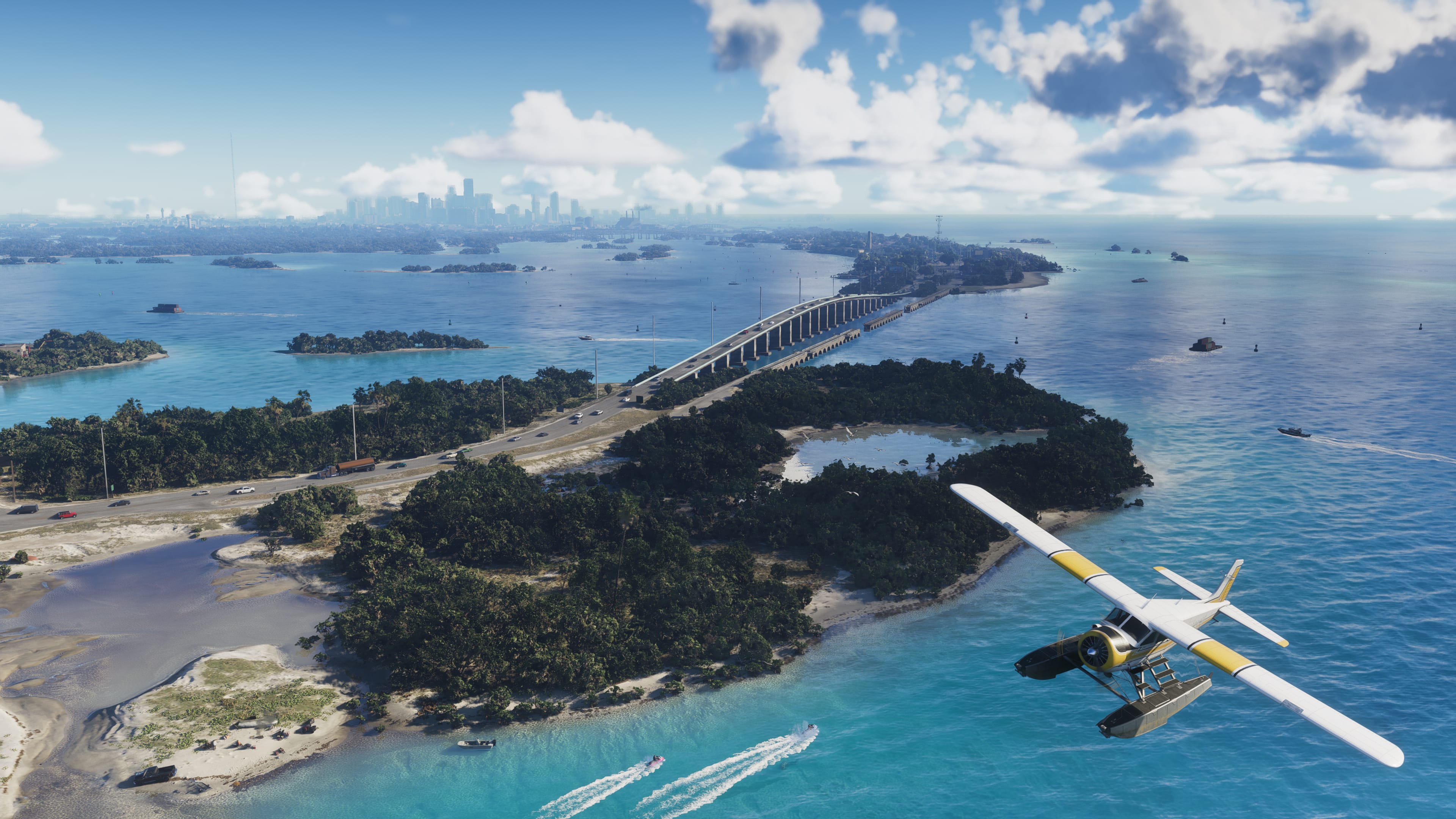
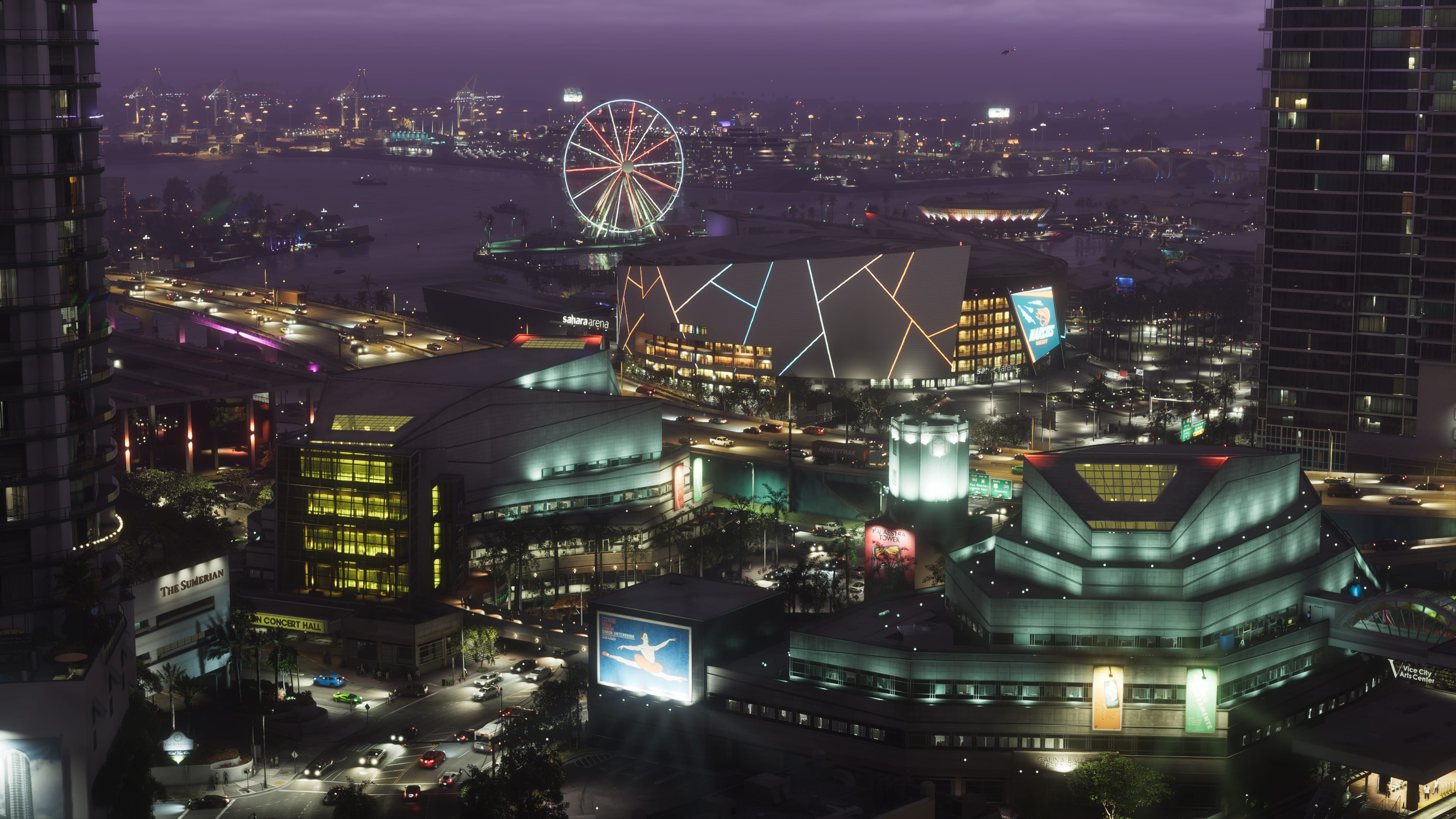
The setting matters. Vice City is dense — beachfronts, downtown corridors, suburban sprawl, and what appears to be rural and wetland areas in the surrounding region.

Each zone changes how a wanted level plays out. A 2-star chase through a packed beachfront strip is a different problem than a 4-star pursuit through a highway interchange. Terrain shapes your options.
TGG reported following their Rockstar North visit (July 13, 2026) that Vice City's open world was designed with pursuit dynamics in mind — roads, alleyways, and environmental features built to make chases feel grounded and readable rather than chaotic. Rockstar built in real decision points during a pursuit. Not just a blur of random streets.
What that means practically: learning the map is a wanted-level skill. Players who know where alleyways dead-end, where bridges narrow, and where water access points are will have a structural advantage over players who don't.
That advantage compounds over time. Early in your playtime, every chase is partly improvised — you're reacting to what's in front of you. Players who have put in map hours are making decisions — turn here, cut through there, drop to the water — while you're still reading the street. The map knowledge gap is a real skill gap in this system, not just a familiarity bonus.
Vice City's coastal geography also means water is always nearby in certain districts. Historically in GTA games, water breaks pursuit lines and resets police attention. Whether that holds in GTA 6 is unconfirmed — Rockstar hasn't specified how water affects the wanted system — but the geography makes it a reasonable escape variable to test early. Treat it as a working hypothesis, not a guaranteed mechanic.
The district variety also means your escape toolkit needs to be flexible. A route that works in the downtown corridor — tight turns, alley cuts, underground parking — won't work on an open coastal highway where police helicopters have unobstructed sightlines. Knowing which escape style fits which district is part of the skill floor for this system. Our GTA 6 Interactive Map is being built specifically to tag these district boundaries and key terrain features as launch data becomes available.
Star Levels and What They Escalate To
Rockstar hasn't published a full breakdown of what each star level triggers in GTA 6. The official trailers and confirmed footage show police vehicles, helicopter pursuit, and what appears to be escalating response units. Beyond that, specific thresholds — what triggers SWAT, what triggers military — remain unconfirmed.
Fans have observed in trailer footage what appears to be a tiered response mirroring GTA 5's structure, but community analysis of trailer frames is speculation. Don't build your escape strategy around it until Rockstar confirms the specifics.
What the trailers do confirm: police response is visible, varied, and escalating. Helicopters appear. Multiple units converge. The visual language of a serious wanted level is present. The exact mechanical thresholds that trigger each tier are still unknown.
Plan for escalation as a general principle — the longer you stay hot, the more resources come — and adjust the specifics once Rockstar publishes them. The operational implication is simple: every second you stay in a hot zone after a crime is committed is a second the response level can tick upward. Speed of exit is not just about avoiding capture in the moment. It's about preventing the situation from escalating to a tier where escape becomes structurally harder.
In GTA 5, the difference between a 3-star and a 5-star pursuit was the difference between a manageable car chase and a military blockade. If GTA 6 follows a similar escalation curve — and fans speculate it does, based on trailer footage — then the first 60 to 90 seconds after a crime are the most important window. Get out fast and clean, or the response compounds against you.
The Appearance-Based ID System
This is the most operationally significant confirmed detail. Rob Nelson confirmed to IGN that police in GTA 6 can identify players based on physical appearance — including clothing. If a cop gets a good look at you during a 2-star incident and you drive away, changing your outfit before re-entering that area reduces your exposure risk.
This isn't a cosmetic system. It's a wanted-level mechanic. Your clothing is gear.
For Lucia and Jason specifically, wardrobe management becomes part of pre-job preparation — not aesthetics. If you run a job in a specific outfit and the cops tag that description, wearing it again in the same area is a liability.
The practical implication extends beyond post-job cleanup. If you're planning a job in a district where you've already drawn attention in a previous session, the outfit you wore then is a risk factor now. Keeping a rotation of what you wore during high-exposure incidents becomes part of how you manage heat across a play session. It's a layer of operational discipline that didn't exist in GTA 5.
It also raises a question about accessories, hairstyles, and vehicle association. Rockstar confirmed clothing specifically. Whether the ID system extends to other appearance elements — facial hair, hats, vehicle color or model — hasn't been confirmed. Fans speculate it might, given the depth of the system as described, but that's speculation. Clothing is the confirmed variable. Everything else is a reasonable inference, not a fact.
For character builds where appearance is already a consideration — specific outfit loadouts tied to job types — the ID system adds a functional layer on top of the aesthetic one. An outfit isn't just a look. It's a heat signature. Managing that across multiple sessions, across multiple districts, is a new kind of meta-game that GTA 5 never had. For more on how Lucia and Jason's individual mechanics interact with systems like this, see our GTA 6 Characters guide.
Escape Tactics: What the Confirmed Mechanics Suggest
With the witness system and appearance-based ID confirmed, some escape principles follow logically.
Prioritize Witness Suppression Before Police Arrival
If bystanders can call in crimes before police respond, your first priority after committing a crime in a populated area is reducing active witnesses — not just fleeing. Moving fast enough that witnesses can't get a clear look, or choosing less-populated routes and timing, becomes part of job planning.
This isn't confirmed as a specific game mechanic — it's a logical inference from the witness system Rob Nelson described to IGN. Apply it as a working hypothesis, not a guaranteed rule.
The corollary: jobs in low-density areas carry less witness risk by default. A rural location, an industrial zone at off-hours, a waterfront with limited foot traffic — these aren't just aesthetically different settings. They're lower-exposure environments. If the witness system works as described, location selection is a risk-management decision, not just a preference.
The speed variable matters here too. A fast, clean exit that clears the immediate area before any witness can complete a call is categorically better than a slow exit that leaves witnesses behind with time to report. In GTA 5, speed of exit was about breaking the visual radius. In GTA 6, it's about outrunning the phone call. Those are different problems with different solutions. The GTA 5 instinct — drive fast and get distance — still applies, but the threshold for "enough distance" may be higher if witnesses have already called in your location.
Change Your Appearance After a Hot Incident
This one is confirmed. If the appearance-ID system works as described, changing clothes after a wanted level clears should be standard procedure before returning to any area where you were active. Keep a second outfit accessible.
The habit to build: treat your post-job routine the same way you treat your pre-job prep. Job done, heat cleared — change before you go back. It takes 30 seconds and removes a confirmed risk variable. There's no reason not to.
Over a longer session, this habit compounds. If you run 3 jobs in the same district in the same outfit, you've given police a consistent description across 3 incidents. That's a denser heat signature than 3 jobs in 3 different outfits. Whether the game tracks cumulative description matches across incidents is unconfirmed — fans speculate it might, based on how the system was described — but the conservative play is to rotate regardless. The downside of changing outfits unnecessarily is zero. The downside of not changing when it matters is a compromised escape.
Use the Terrain
Based on TGG's reporting from their Rockstar North visit (July 13, 2026), the map is designed with pursuit dynamics in mind. Rockstar built in legitimate escape routes — not just random geography. Players who invest time in map knowledge early will have a real edge.
Water access is historically a reliable escape vector in GTA games. Given Vice City's coastal geography, that's likely to remain true — but treat it as an inference from setting, not a confirmed mechanic.
Alleyways, underpasses, and elevation changes are worth cataloguing early. In a system where pursuit is designed to be readable and decision-driven, the players who have pre-mapped their options will make better decisions under pressure. Improvised escapes work until they don't. Planned routes work consistently.
The terrain advantage is also asymmetric. Police AI in GTA games has historically struggled with certain geometry — tight alley sequences, multi-level parking structures, water transitions. If GTA 6's pursuit design is as intentional as TGG's reporting suggests, some of those geometry advantages may be reduced. But the principle holds: knowing the map is knowing your options. Players who have explored Vice City's districts thoroughly before they need an escape route will use that knowledge when it counts. Players who haven't will improvise. Improvisation under pressure, against an escalating response, is the losing play.
For a full breakdown of Vice City's districts and what each one offers in terms of terrain and access points, check our GTA 6 Vice City Locations guide — updated as confirmed map data becomes available.
The Bottom Line
The GTA 6 wanted system is more layered than GTA 5's in every confirmed dimension. Witnesses call cops. Cops remember your face. The map is built for pursuit dynamics. Each of those changes has a direct operational implication.
The players who adapt early — who build witness suppression into their job planning, who rotate outfits as standard procedure, who invest in map knowledge before they need it — will have a structural advantage from day one. The players who run GTA 5 habits into GTA 6's system will get caught more, lose more progress, and spend more time recovering instead of earning.
The system rewards preparation. Prepare accordingly.